5 Easy Plants to Grow in Containers
Do you lot want Like shooting fish in a barrel vegetables to grow in pots?
Do you want a garden, simply don't have the time, energy, or money for it?
Based on personal experience, scientific studies, and extensive research, I have created a list of xx Like shooting fish in a barrel Vegetables to Grow in Pots for Beginners .
[toc]
The goal of this article is to provide you with the EASIEST Vegetables to Grow.
Also, I am providing the necessary instructions on how to select the correct supplies, planting, caring, harvesting tips, and answers to ofttimes answered questions.
20 EASY Vegetables to Grow in Pots
Below, you will find the 20 EASIEST Vegetables to Grow in Pots.
You'll find squash, cucumbers, sweet corn doesn't make the list. Y'all can abound them in pots, but it takes too much piece of work to exist considered easy.
I also recommend purchasing your vegetable plants from Amazon .
Using seeds is too difficult and time-consuming.
1. Spinach
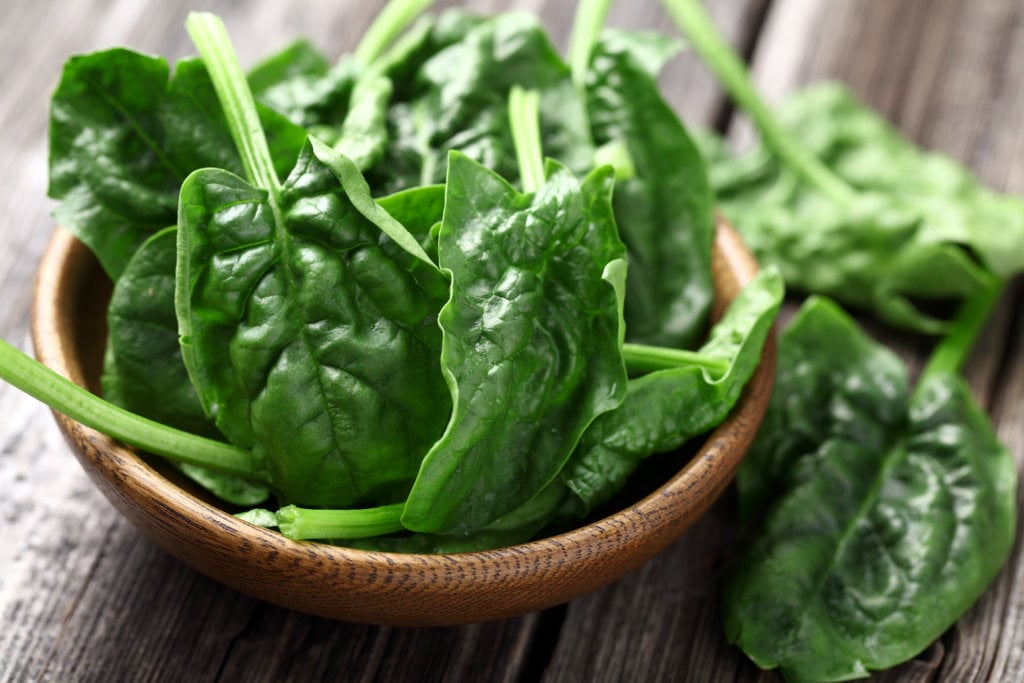
Spinach is a nutritious vegetable that is grown in both cold and warm atmospheric condition. Information technology contains high amounts of vitamin B6, B9, C, and Folic Acrid.
Yous tin can plant it as early as spring and as late every bit early autumn.
Y'all can utilize information technology in salads, meat and fish dishes, and even swallow it past itself.
- Container Size: 5-gallon window box
- When to Plant: Immediately afterwards concluding spring frost. A second planting in Early Fall
- How to Grow it: Institute 4-6 inches deep. Plant half dozen-8 inches autonomously.
- Watering Needs: H2o Immediately after planting and then twice a calendar week for fifteen seconds.
- Where to place it: Partial-Sun
- Life Cycle: Annual Plant
- When to Harvest: Slowly pick 30 days after planting
2. Lettuce
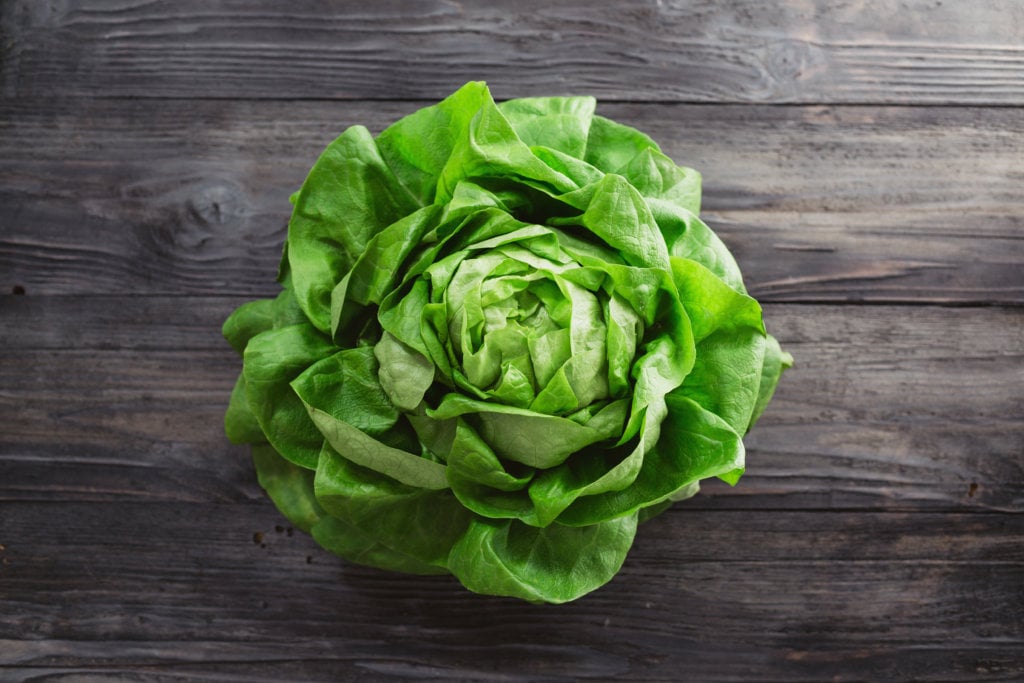
Lettuce is some other nutritious plant that is cold hardy and can flourish in warm atmospheric condition. Information technology is high in fiber and manganese.
You can found it immediately after your last frost. Y'all can also plant it throughout the summer and early autumn.
Lettuce is dandy in salads, on sandwiches, or paired with meat and poultry.
- Container Size: v-gallon window box
- When to Constitute: Immediately after terminal spring frost. A second planting in Early on Fall
- How to Abound it: Plant iv-6 inches deep. Plant 6-8 inches apart.
- Watering Needs: H2o Immediately after planting and then twice a week for 15 seconds.
- Where to place it: Partial-Sunday
- Life Wheel: Almanac Plant
- When to Harvest: Slowly pick 30 days afterwards planting
iii. Asian Greens
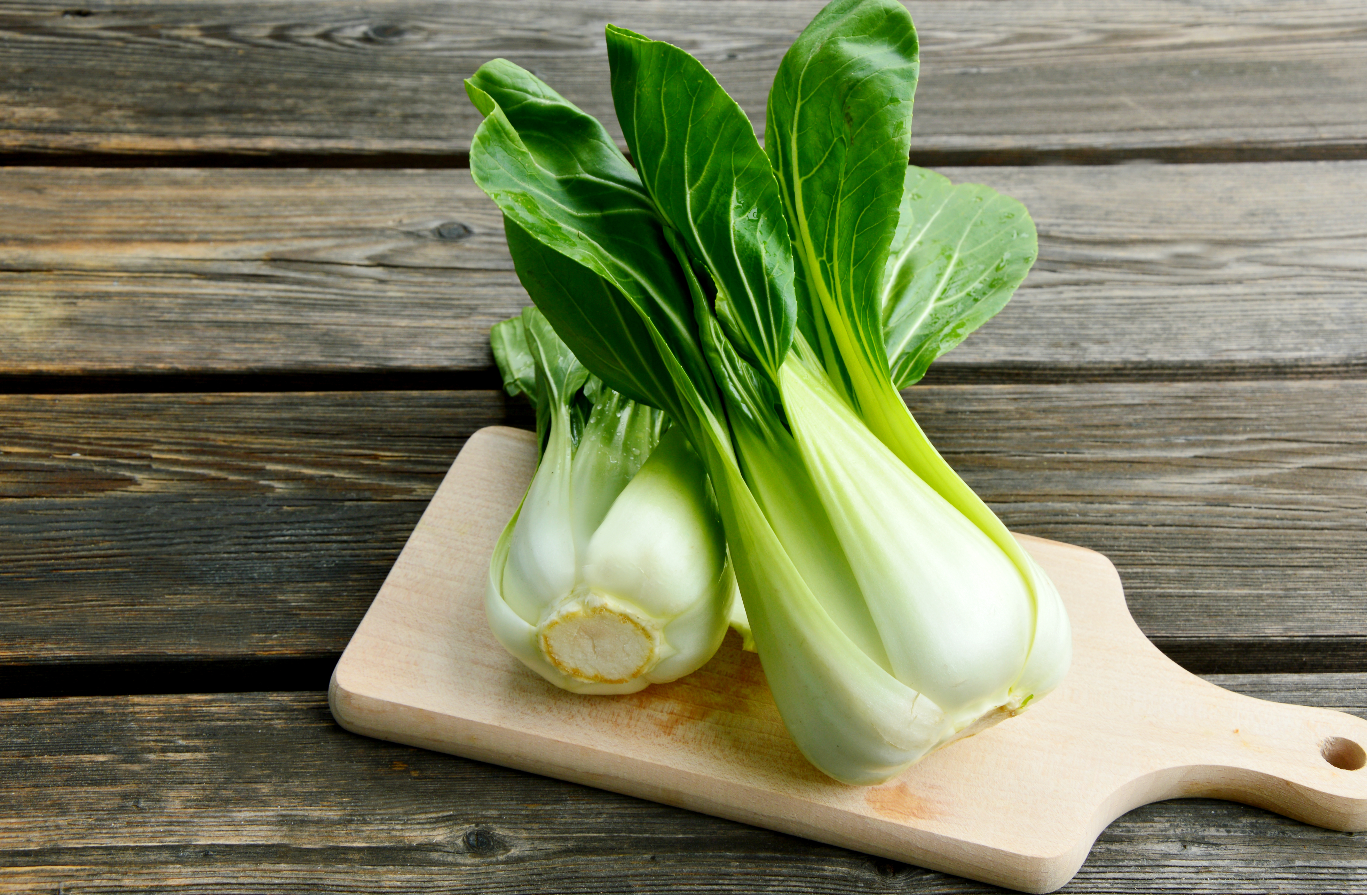
Asian greens are i of the almost nutritious foods on this listing. And best of all, they tin can be grown at any time of the year. Asian greens contain vitamins A, B, C, E, and K.
As with lettuce and spinach, Asian greens are great in salad, paired with meat and poultry, and cooked on its own.
- Container Size: five-gallon window box
- When to Plant: Immediately after last bound frost. A second planting in Early on Fall
- How to Grow it: Establish 6 inches deep. Plant 8-10 inches autonomously.
- Watering Needs: H2o Immediately later on planting and then twice a week for 15 seconds.
- Where to identify information technology: Partial-Sun
- Life Wheel: Annual Institute
- When to Harvest: Slowly pick 45 days after planting
4. Onions
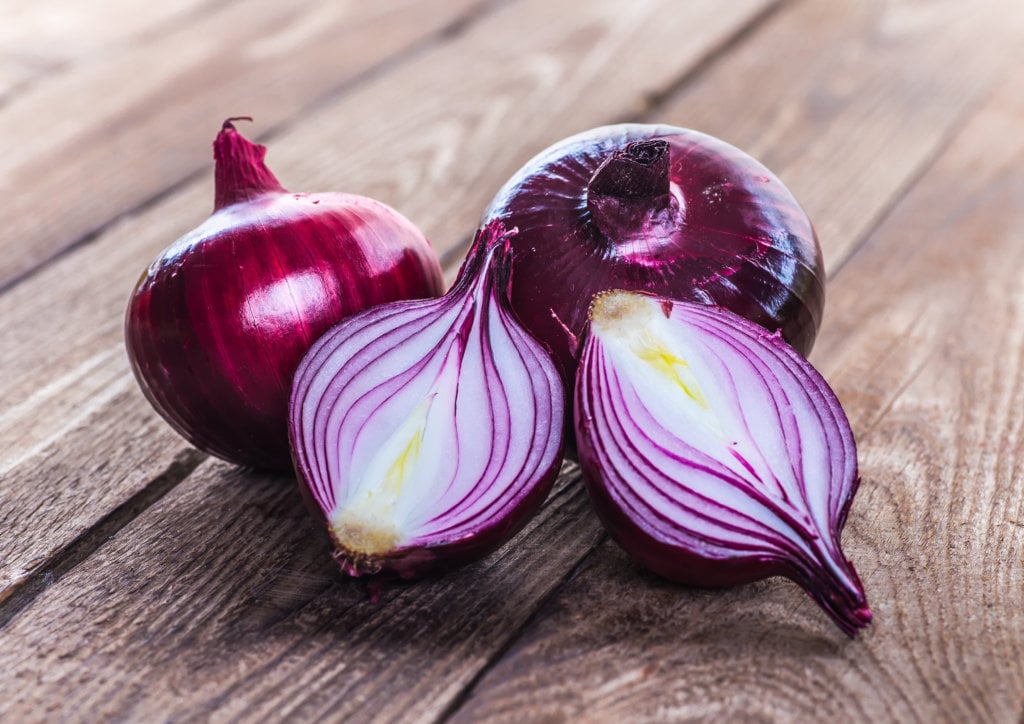
Onions are the perfect vegetable for cobweb, folic acrid, and vitamin C.
They are a great common cold atmospheric condition vegetable that typically can only exist planted in the spring.
They can be eaten raw, accept on sandwiches, or added to a stir fry.
- Container Size: five-gallon pot
- When to Plant: Immediately after last leap frost.
- How to Grow it: Plant six inches deep. Constitute 6 inches apart.
- Watering Needs: Water Immediately subsequently planting and so once a calendar week for 15 seconds.
- Where to place information technology: Full-Lord's day
- Life Cycle: Almanac Establish
- When to Harvest: Slowly pick 90 days later on planting
v. Green Onions
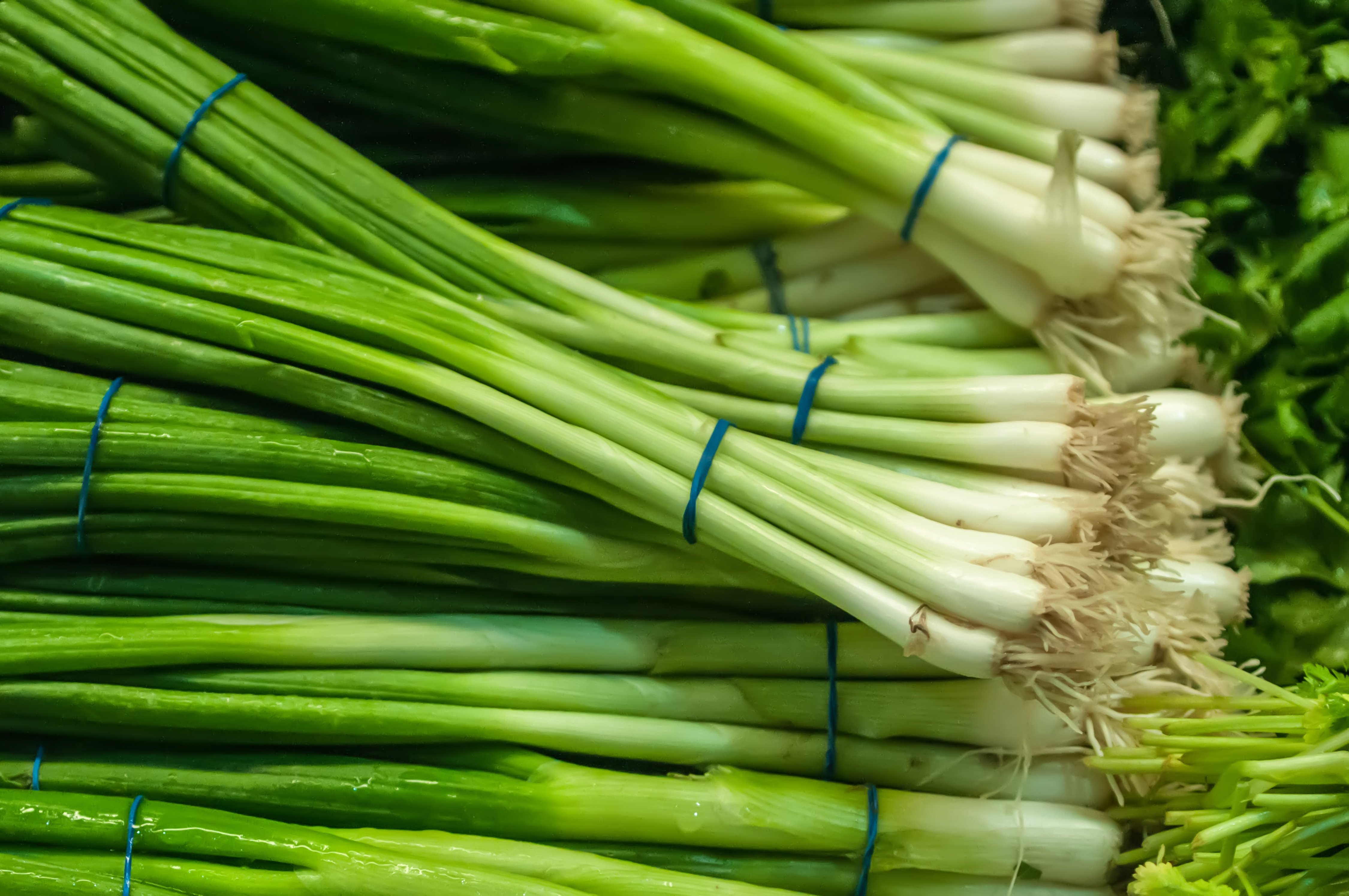
Green Onions are a cracking source of Vitamins A, C, & Yard. In addition, it is a good source of Folic acid and Riboflavin.
Green Onions is another cold hardy constitute that can be planted immediately subsequently the last jump frost.
This vegetable can be used in taboule, vegetable dishes, and meat and poultry dishes.
- Container Size: 5-gallon pot
- When to Plant: Immediately later on last spring frost.
- How to Grow it: Institute 3 inches deep. Institute 6 inches apart.
- Watering Needs: Water Immediately after planting and and then in one case a week for 15 seconds.
- Where to place it: Full-Sunday
- Life Cycle: Perennial Establish
- When to Harvest: Slowly pick xc days after planting
6. Radishes
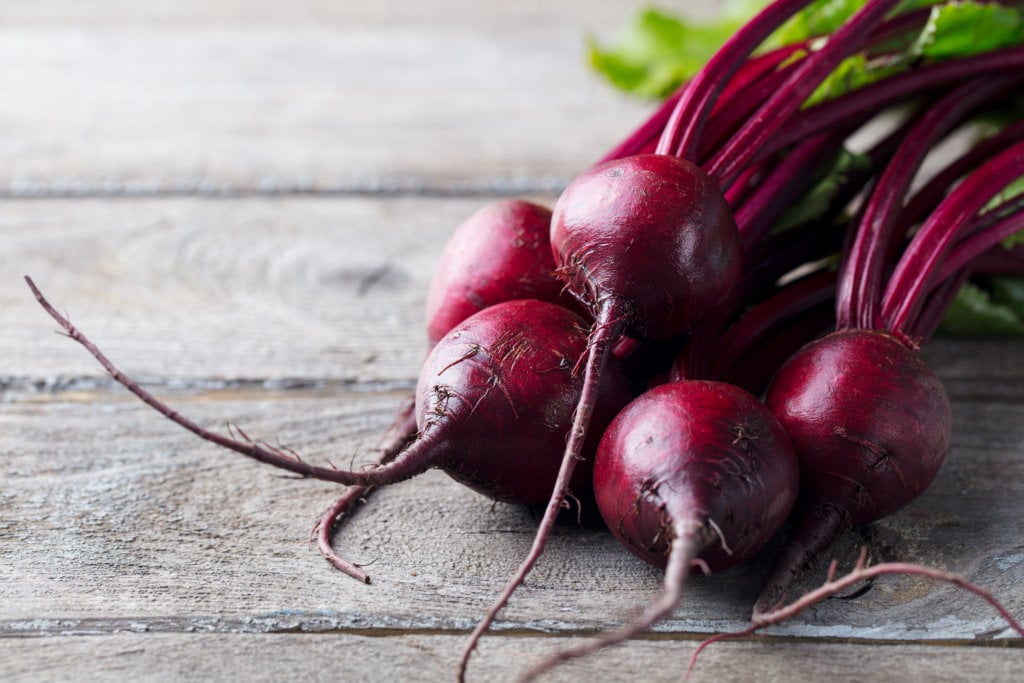
Radishes provide a bully source of Vitamin C, Folate, and Potassium. Information technology is ane of the many easy vegetables to grow in pots.
Radishes are another cold hardy vegetable that can be grown in early on bound and again in belatedly summertime.
This vegetable is great to pair with cheese, chicken, or in a vegetable salad.
- Container Size: 5-gallon pot
- When to Plant: Immediately afterwards terminal spring frost and over again in belatedly summer (mid-July)
- How to Grow it: Plant 6 inches deep. Plant 6 inches apart.
- Watering Needs: H2o Immediately after planting and so one time a week for 15 seconds.
- Where to place information technology: Fractional-Sunday
- Life Cycle: Annual Plant
- When to Harvest: Slowly pick 90 days after planting
7. Asparagus
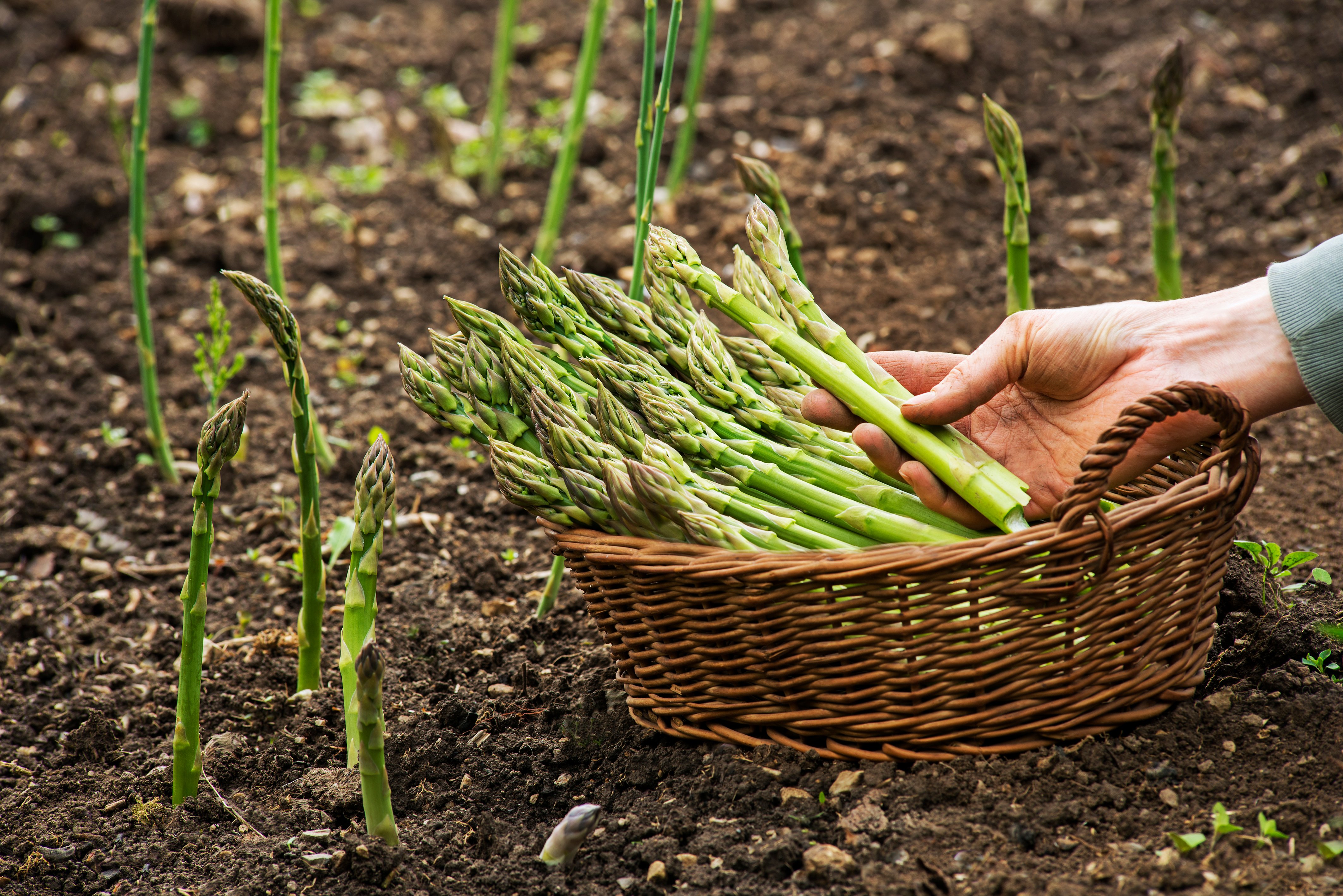
Asparagus is one of my favorite perennial vegetables to abound in a pot. It is a smashing source of vitamin A, C, E, and K. It too folate, copper, and iron.
Asparagus can be planted immediately later on the final bound frost.
The majority of consumers melt and eat Asparagus with butter as a side dish to their entree.
- Container Size: 5-gallon window box.
- When to Constitute: Immediately afterwards concluding spring frost
- How to Grow it: Plant 3-4 inches deep. Plant iii-6 inches apart.
- Watering Needs: Water Immediately afterwards planting and and so in one case a week for 15 seconds.
- Where to place it: Partial-Sunday
- Life Bike: Perennial Establish
- When to Harvest: Slowly selection 90 days after planting
8. Artichokes
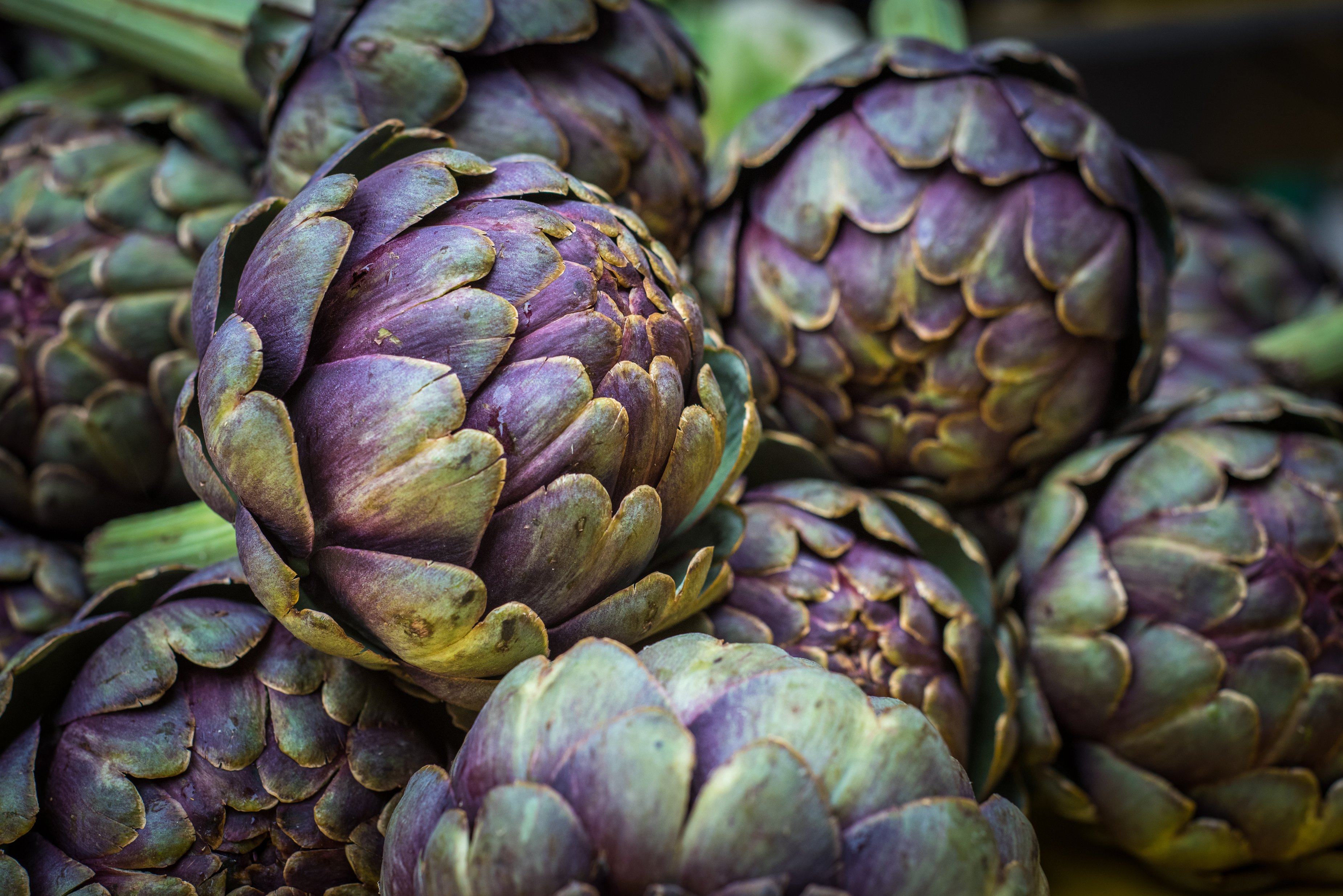
Artichokes are some other great perennial plant that has a stiff source of vitamins C, Thou, and Folate.
This is another vegetable you want to plant afterward the last bound frost and will come up upwards every year.
Artichokes are a dandy vegetable that tin can exist added warm and cold vegetable and entree dishes.
- Container Size: five-gallon window box.
- When to Establish: Immediately subsequently last bound frost
- How to Grow it: Institute four-6 inches deep. Establish 6 inches apart.
- Watering Needs: Water Immediately later on planting and then twice a calendar week for 15 seconds.
- Where to place it: Partial-Sun
- Life Cycle: Perennial Plant
- When to Harvest: Slowly option ninety days after planting
9. Peppers
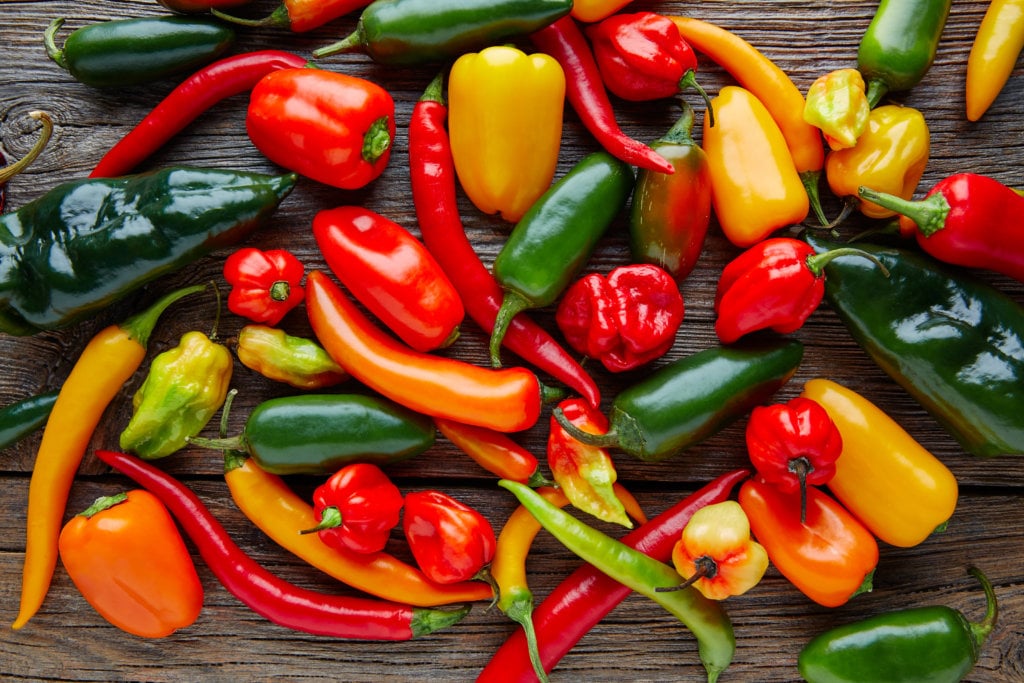
Peppers are my favorite vegetable. They are a great source of fe and vitamin C.
Peppers must be planted one month after your last leap frost. Any sign of frost or cold conditions will impale your peppers.
Peppers have many uses. They are used in pasta dishes, stuffed with sausage, and added to salads.
- Container Size: 5-gallon pot.
- When to Plant: One month subsequently last spring frost
- How to Abound it: Plant 6-8 inches deep. Constitute 12-14 inches apart.
- Watering Needs: Water Immediately after planting and then two to 3 times a week for 15 seconds.
- Where to place it: Full-Sun
- Life Wheel: Annual Plant
- When to Harvest: Slowly pick 90 days afterward planting
10. Tomatoes
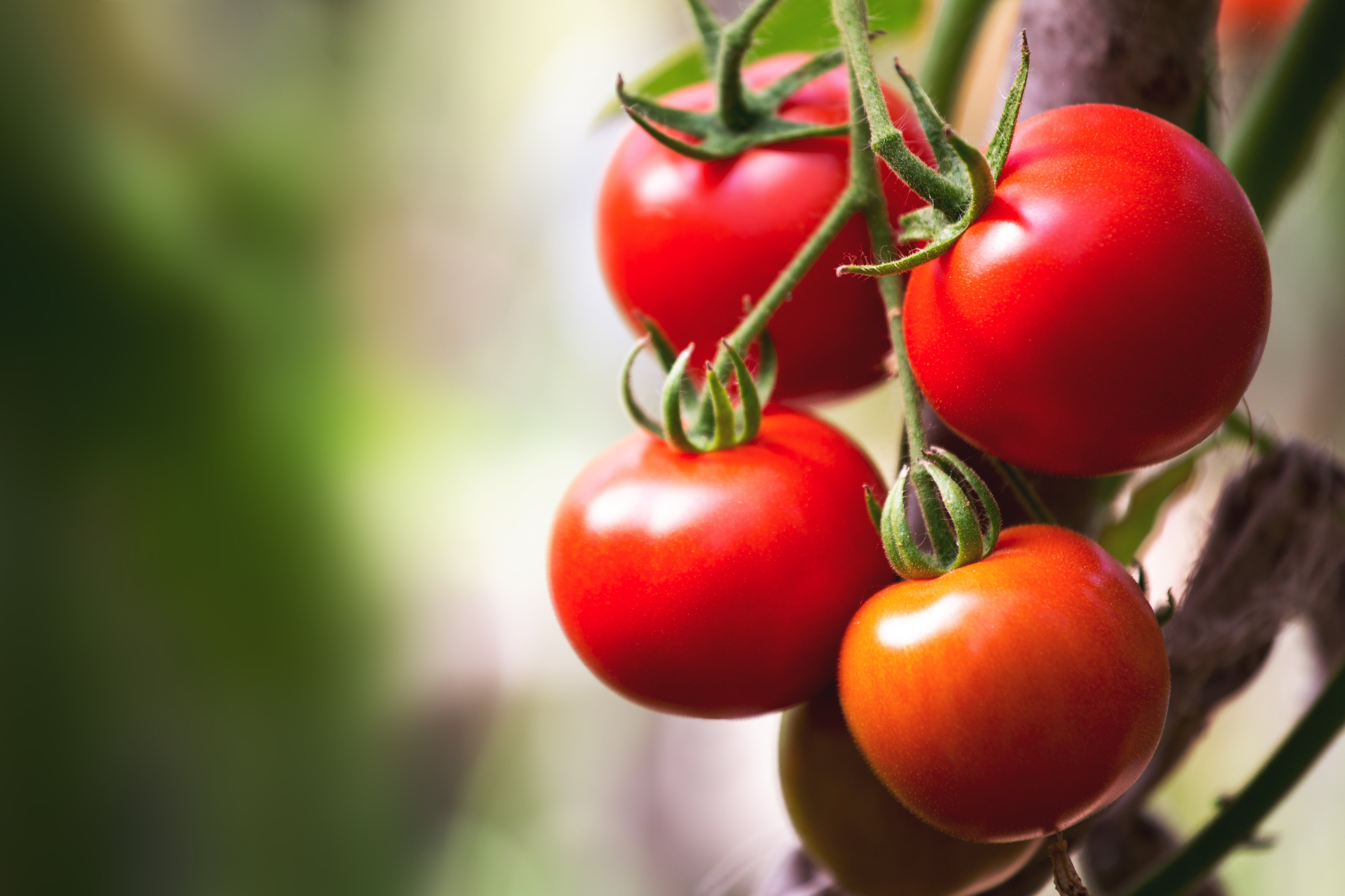
Tomatoes were recently voted the most popular vegetable in the United States. They are rich in vitamin C, potassium, and folate. This is one of the surprisingly easy vegetables to grow in pots.
Tomatoes should be planted i month after the last spring frost. Whatever sign of cold weather or frost will impale the plant.
Tomatoes can be made into paste and sauces, added to salads, and vegetable dishes.
It should exist noted that I recommend simply planting ruby and grape tomatoes in pots. Other tomatoes will take too much work and intendance to brand information technology on this listing.
- Container Size: five-gallon pot.
- When to Plant: I calendar month afterward last spring frost
- How to Grow it: Found eight-10 inches deep. Plant 14 inches apart.
- Watering Needs: Water Immediately after planting and and so two to 3 times a calendar week for 15 seconds.
- Where to place it: Full-Sun
- Life Bike: Annual Institute
- When to Harvest: Slowly pick 90 days subsequently planting
11. Chard
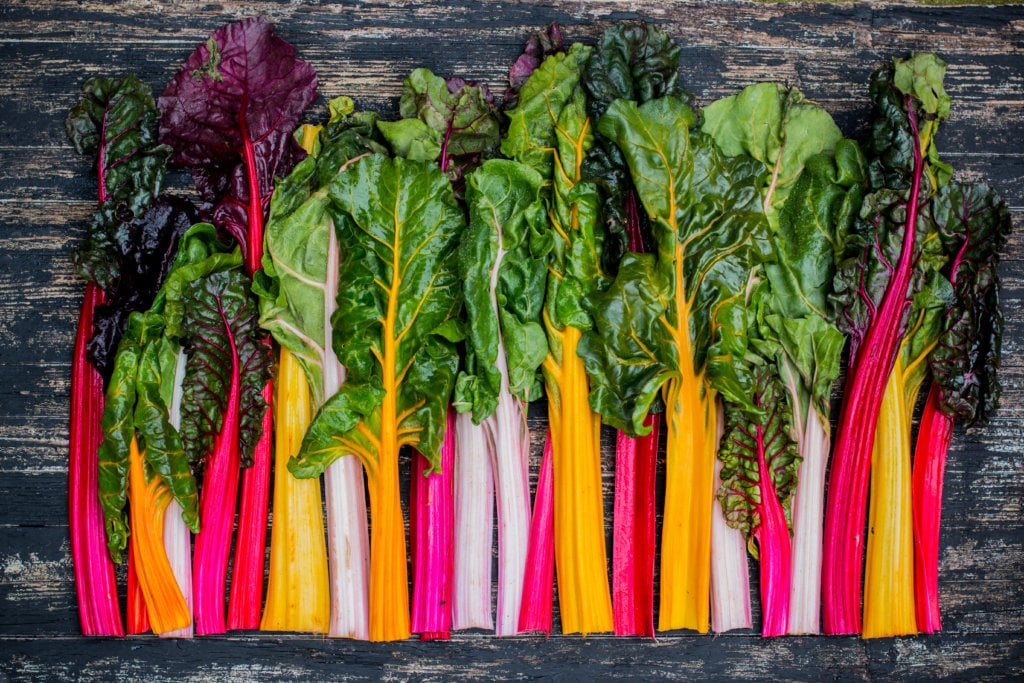
Swiss chard is one of the least known, but nearly benign vegetables. This vegetable is rich in vitamin c, folic acid, iron, and potassium.
Swiss Chard is a cold hardy plant that can be planted in early bound and again in the summer.
This vegetable is used in fish dishes, salads, and or even eaten raw.
- Container Size: v-gallon pot.
- When to Constitute: Immediately after the concluding frost and in early summer.
- How to Grow it: Plant 4-6 inches deep. Establish six inches autonomously.
- Watering Needs: Water immediately subsequently planting and then two to three times a calendar week for xv seconds.
- Where to place it: Partial-Sun
- Life Cycle: Annual Institute
- When to Harvest: Slowly pick 60 days later on planting
12. Kohlrabi
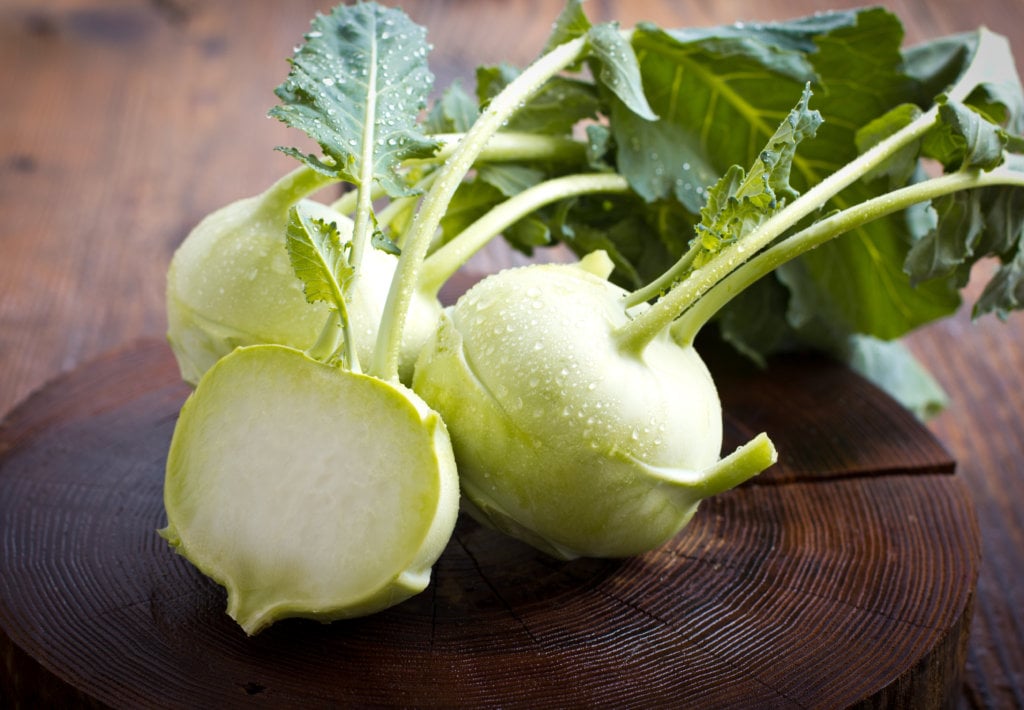
Kohlrabi is becoming an increasingly popular vegetable in the U.s.. Information technology is a high source of Thiamin, Folate, Magnesium, and Phosphorous.
Kohlrabi can be planted immediately after the concluding frost and again in early on summertime.
This vegetable cooks with olive oil and other herbs. It serves well as a side dish.
- Container Size: 5-gallon pot.
- When to Found: Immediately after the last frost and again in early on summer.
- How to Abound it: Plant vi inches deep. Plant 6-viii inches autonomously.
- Watering Needs: Water Immediately later planting and then two to three times a week for 15 seconds.
- Where to place it: Partial-Sun
- Life Wheel: Annual Constitute
- When to Harvest: Slowly pick 60 days subsequently planting
13. Carrots
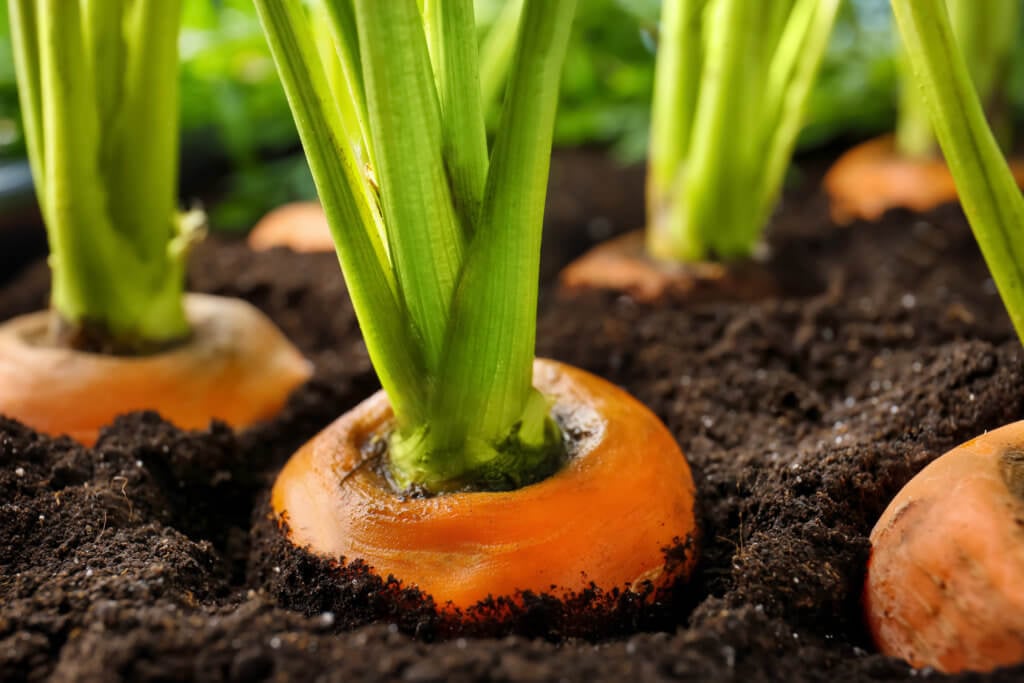
If you lot follow my instructions carrots are incredibly easy to grow. And they are a great source of vitamin A, Thousand, and potassium.
Typically, you volition establish carrots i month after the last leap frost.
Carrots are eaten raw, cooked, in soups, and in meat dishes.
- Container Size: five-gallon window box
- When to Plant: Ane month after the concluding frost.
- How to Abound information technology: Found 4-6 inches deep. Establish 3-4 inches apart.
- Watering Needs: Water Immediately subsequently planting and then two to iii times a week for 15 seconds.
- Where to identify information technology: Full-Dominicus
- Life Wheel: Annual Plant
- When to Harvest: Slowly pick 100 days after planting
14. Broccoli
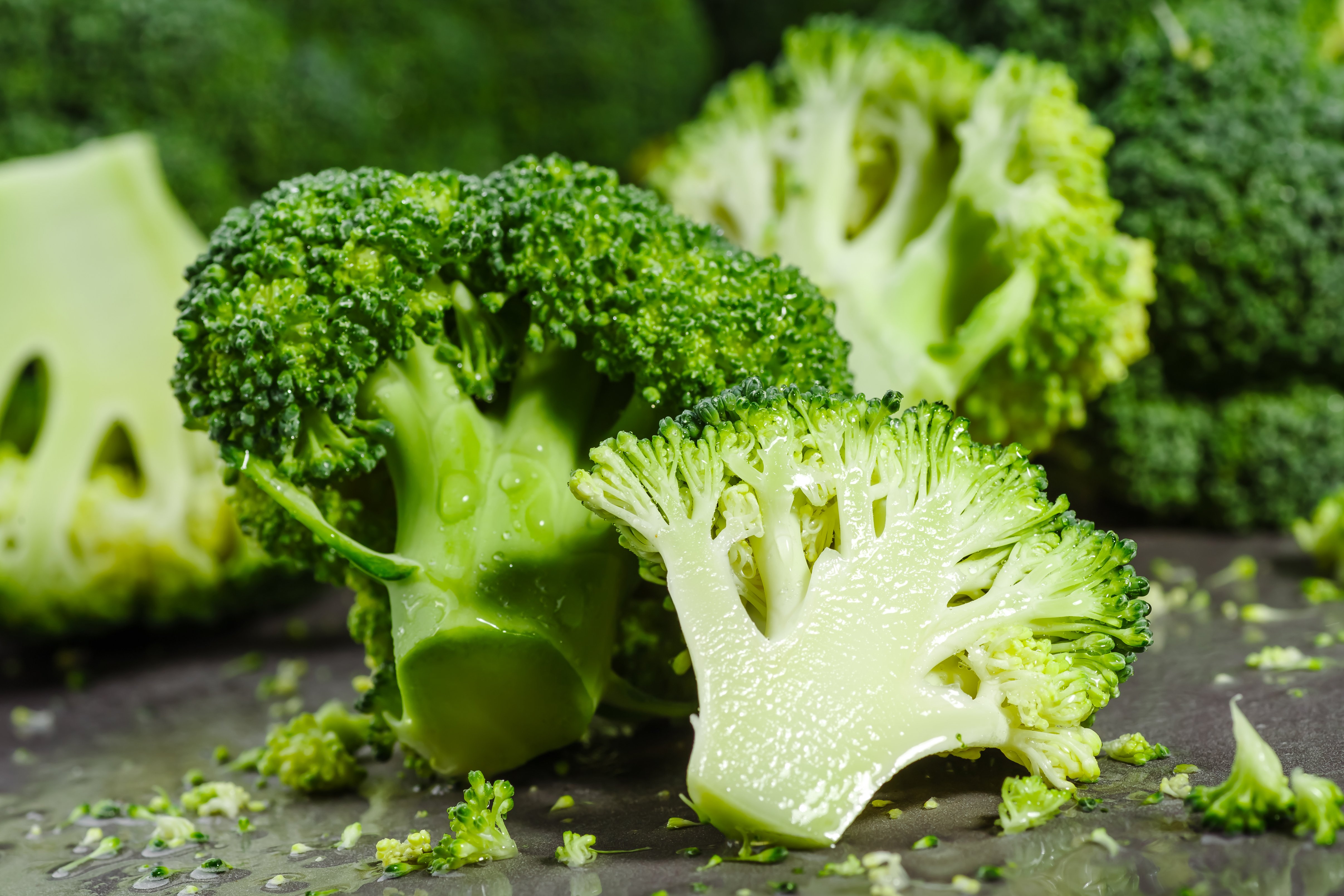
Broccoli is another fantastic vegetable for gardeners. It is a neat source of protein, thiamin, and vitamin E.
Broccoli is a cold hardy plant that can be planted immediately afterwards the terminal frost.
Broccoli is all-time served cooked with olive oil or cheese but also can be eaten raw.
- Container Size: 5-gallon window box
- When to Plant: Immediately after the last frost
- How to Abound it: Institute 6-8 inches deep. Plant 12 inches apart.
- Watering Needs: Water Immediately after planting and then 2 to three times a week for 15 seconds.
- Where to identify it: Fractional-Sun
- Life Bike: Annual Establish
- When to Harvest: Slowly selection ninety days later on planting
15. Beets
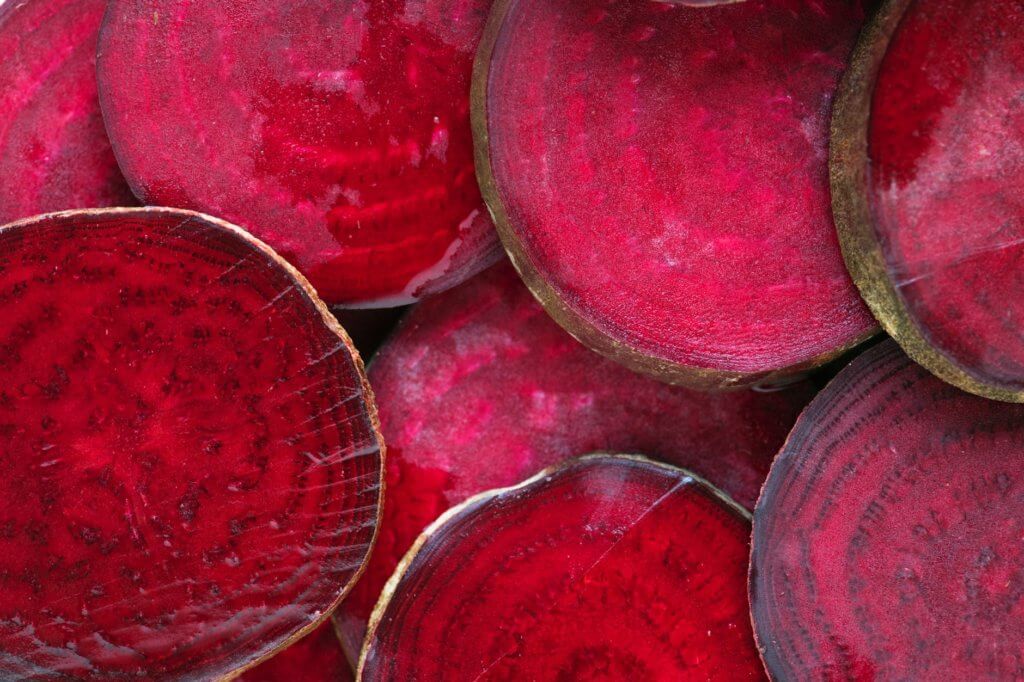
Beets may not exist a favored institute amidst gardeners, but it is high in nutrients. Information technology is an excellent source of cobweb, folate, potassium, and vitamin C.
Beets tin be planted immediately afterward the last leap frost and again in early summertime.
Beets can exist eaten raw. They can be pickled. And they tin be served in many cooked vegetable dishes.
- Container Size: 5-gallon window box
- When to Plant: Immediately subsequently the last frost
- How to Grow it: Establish half dozen-8 inches deep. Plant 6 inches autonomously.
- Watering Needs: Water Immediately after planting and then two to three times a week for 15 seconds.
- Where to place it: Fractional-Lord's day
- Life Cycle: Almanac Found
- When to Harvest: Slowly selection 90 days after planting
16. Kale
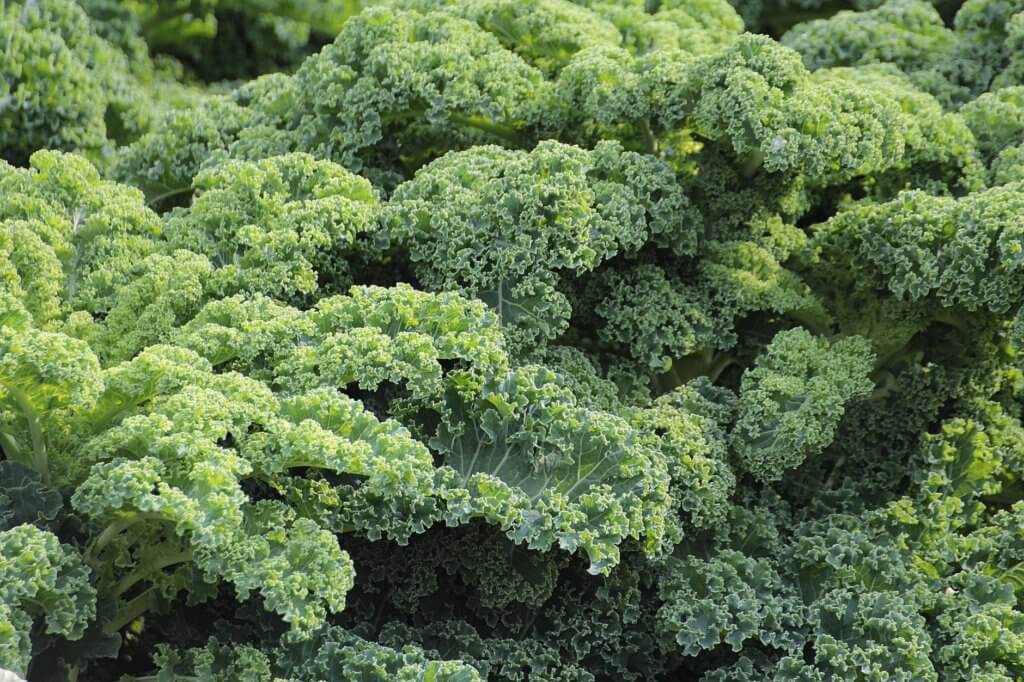
Kale has fastly become one of the most popular vegetables in the world. This vegetable has fiber, protein, well-nigh every vitamin, and iron.
Kale is a common cold hardy vegetable that is planted immediately afterward the last leap frost and again in early on summer.
This vegetable is used in salads, smoothies, and entree dishes.
- Container Size: 5-gallon window box
- When to Plant: Immediately after the concluding frost
- How to Abound information technology: Plant 6 inches deep. Found 6 inches apart.
- Watering Needs: Water Immediately afterwards planting and and then two to 3 times a week for 15 seconds.
- Where to place it: Partial-Sun
- Life Bike: Annual Establish
- When to Harvest: Slowly choice xc days subsequently planting
17. Eggplant
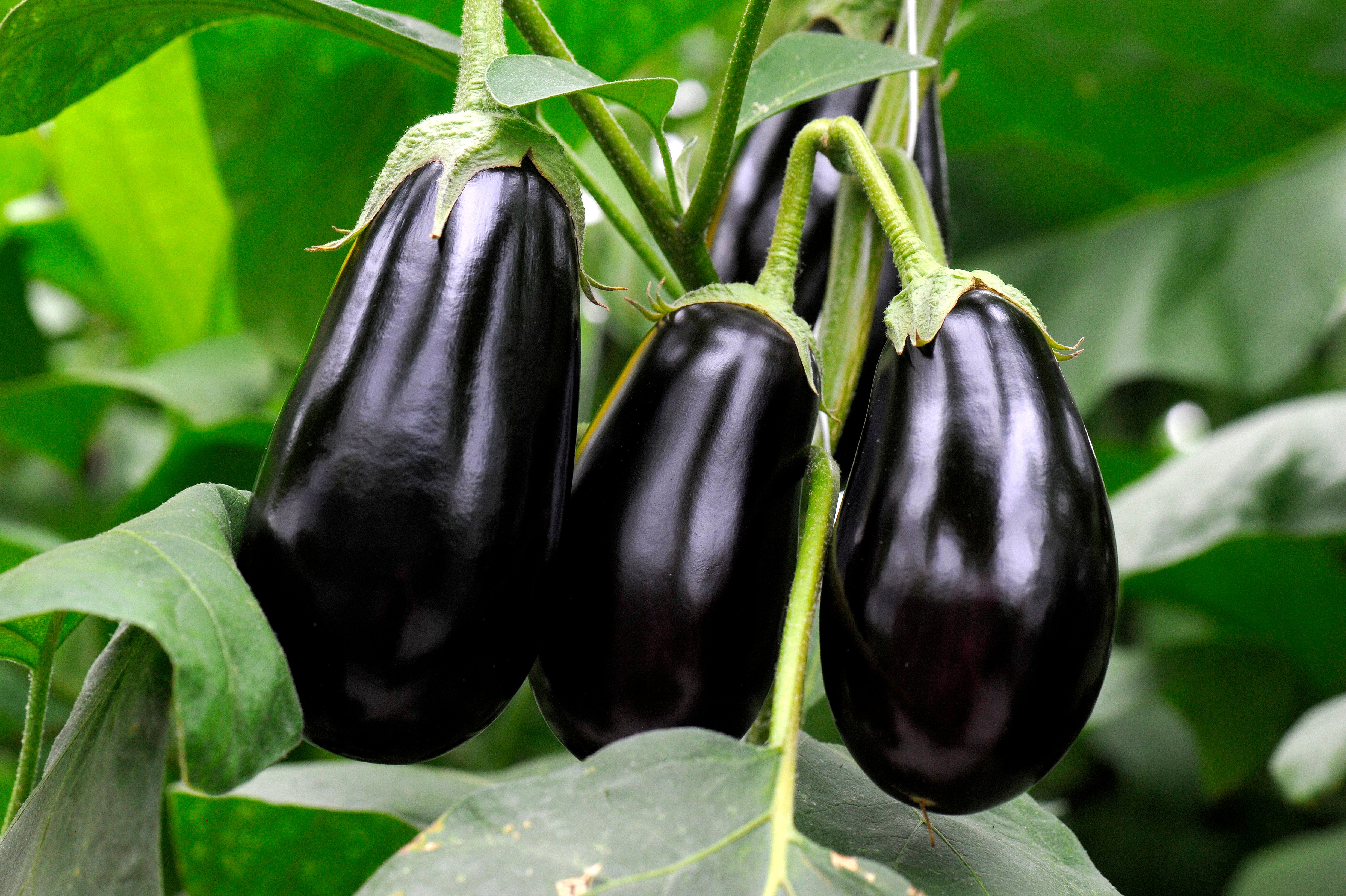
Eggplants are one of the near hearty vegetables on this list. They are a rich source of fiber, potassium, and vitamin C.
They should be planted at least a month later the last spring frost.
This type of vegetable is great for pasta dishes and equally a side for entrees.
- Container Size: five-gallon pot
- When to Found: One month afterward the last frost
- How to Grow it: Plant six-8 inches deep. Establish 12 inches autonomously.
- Watering Needs: Water Immediately afterwards planting and and then two to three times a calendar week for 15 seconds.
- Where to place it: Full-Sun
- Life Cycle: Annual Plant
- When to Harvest: Slowly selection 90 days later on planting
eighteen. Green Beans
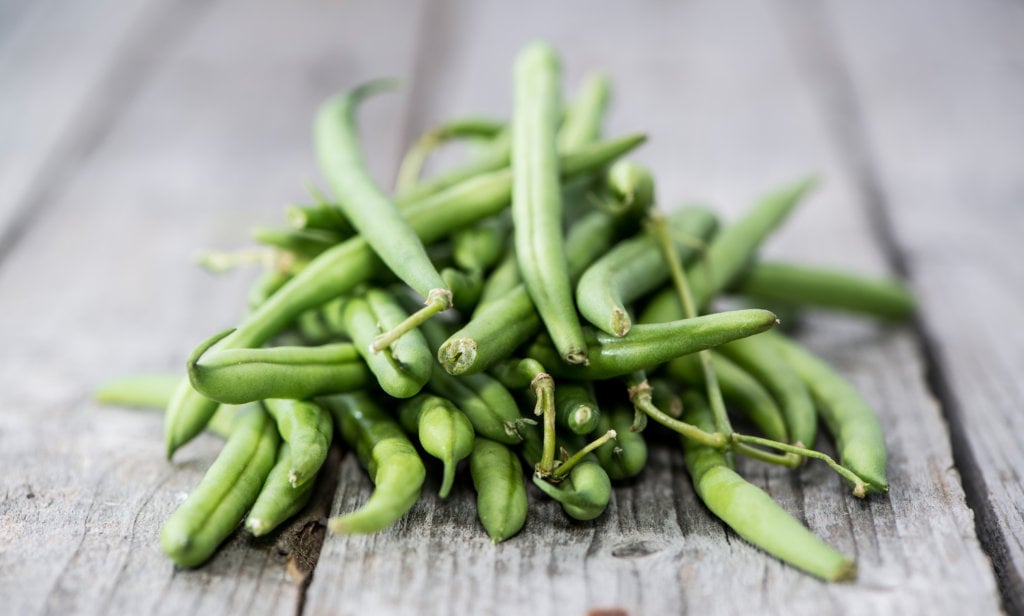
While at that place are many beans out there, dark-green beans are the best for pots. Light-green beans are a high source of folate, cobweb, and potassium.
This vegetable should be planted 1 month afterwards the last spring frost and again in early summertime.
Typically, green beans are served equally a side dish to pasta and other entrees.
- Container Size: v-gallon window box
- When to Plant: One month later on the last frost and again in early summer
- How to Grow information technology: Found 3 inches deep. Plant 3-iv inches autonomously.
- Watering Needs: Water Immediately afterwards planting then ii to 3 times a calendar week for 15 seconds.
- Where to place information technology: Full-Sun
- Life Cycle: Almanac Establish
- When to Harvest: Slowly selection 60 days after planting
nineteen. Sweet Peas
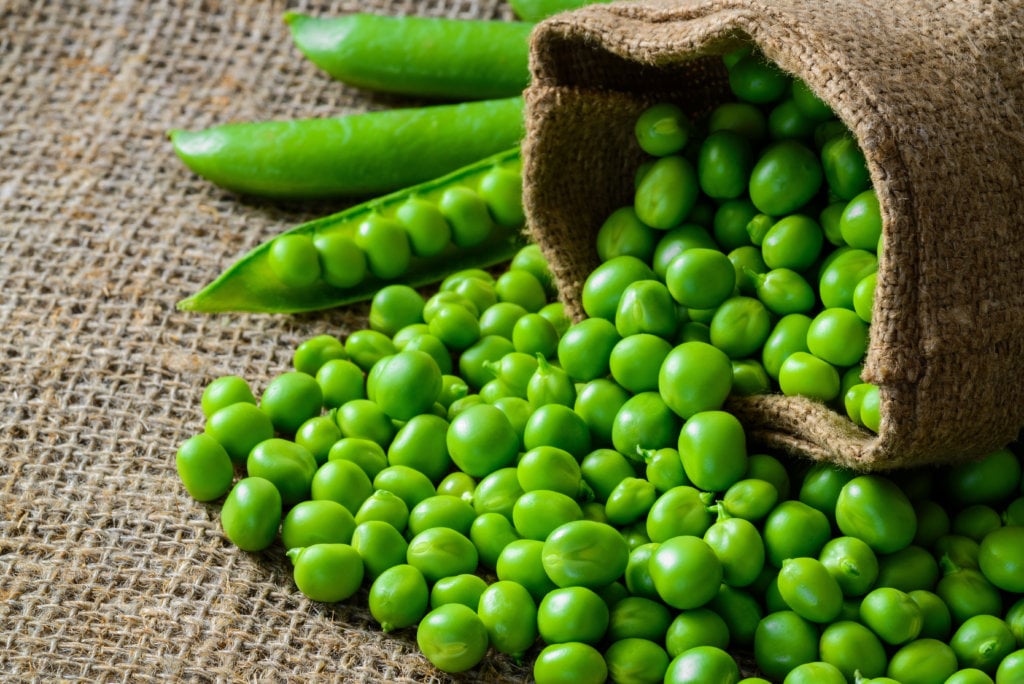
How delicious are sweet peas? They are also very nutritious. These vegetables are a loftier source of protein, riboflavin, and niacin.
Typically, you plant sweet peas about one month subsequently the last frost and once again in early summertime.
Sweet Peas tin can be eaten raw correct off the found or cooked and served as a side dish to entrees.
- Container Size: 5-gallon window box
- When to Plant: One month after the concluding frost and again in early summer
- How to Abound information technology: Plant three inches deep. Institute 3-four inches apart.
- Watering Needs: Water Immediately after planting and then two to 3 times a week for xv seconds.
- Where to place it: Full-Sun
- Life Bike: Annual Plant
- When to Harvest: Slowly pick lx days subsequently planting
20. Cauliflower
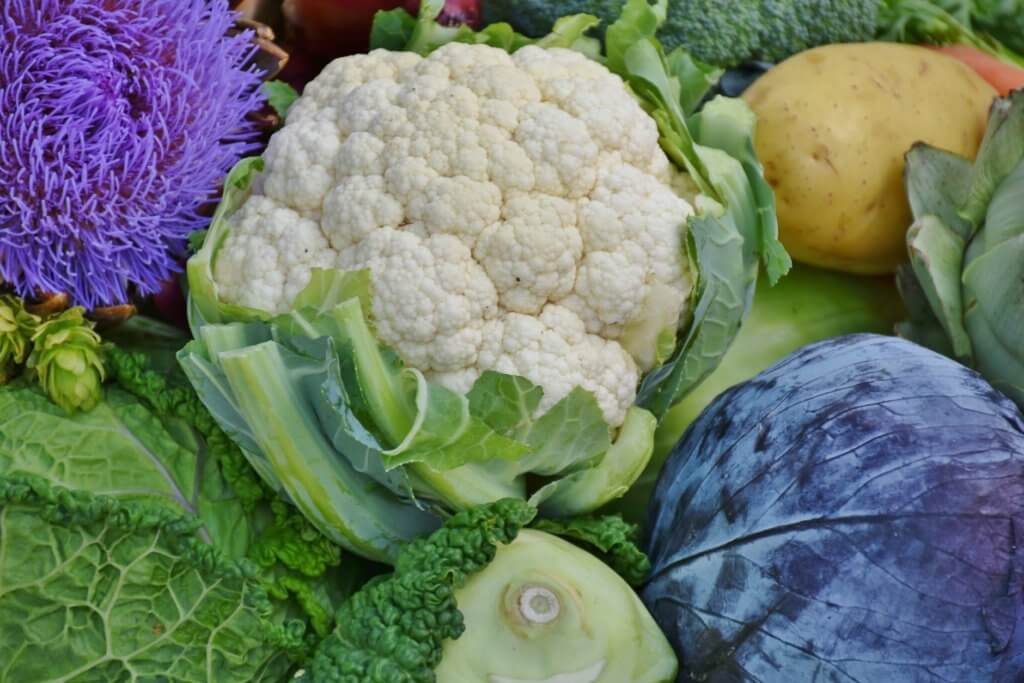
Cauliflower is a very similar plant to broccoli in regards to how you establish, care, and harvest it. It is an excellent source of fiber and multiple B vitamins.
Cauliflower tin can exist planted a niggling less than 1 month after the terminal spring frost.
Like Broccoli, cauliflower can be served raw or cooked with cheese or olive oil.
- Container Size: 5-gallon window box
- When to Institute: One calendar month after the last frost
- How to Grow information technology: Plant 6-viii inches deep. Plant 12 inches apart.
- Watering Needs: Water Immediately after planting and and so two to 3 times a week for 15 seconds.
- Where to place it: Fractional-Sunday
- Life Cycle: Annual Plant
- When to Harvest: Slowly selection 60 days after planting
Bonus – Like shooting fish in a barrel Herbs to Abound in Pots
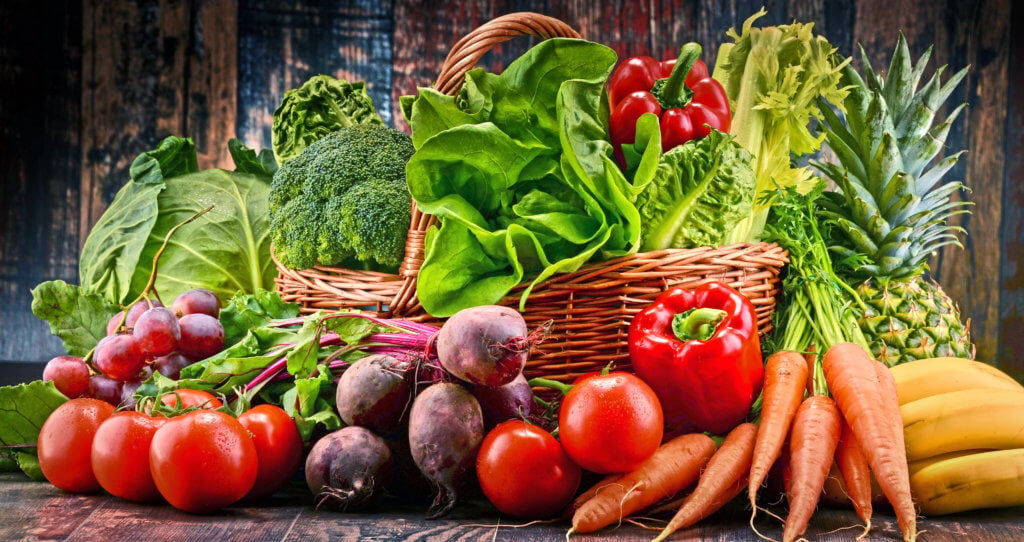
While this article is focused on EASY vegetables to grow in pots, at that place are besides plenty of herbs I recommend growing in pots.
Below, is a list of 10 Like shooting fish in a barrel Herbs to Grow in Pots
- Mint
- Basil
- Thyme
- Chives
- Fennel
- Rosemary
- Parsley
- Oregano
- Sage
- Dill
Bonus – EASY Fruits to Grow in Pots
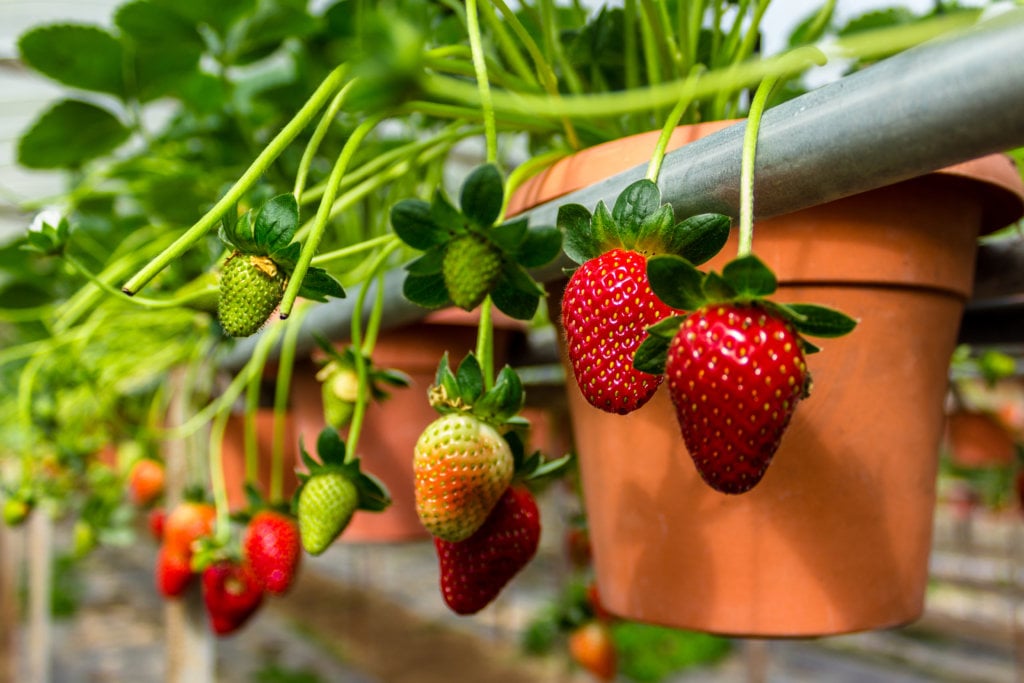
In addition to vegetables and herbs, there are also incredibly Easy fruits to grow in pots.
Beneath, is a list of the ten EASIEST Fruits to Grow in Pots
- Strawberries
- Cherry Bush-league
- Raspberries
- Blueberries
- Lemon Tree
- Fig Tree
- Lime Tree
- Avocado
- Orange Tree
- Grapefruit Tree
Oftentimes Asked Questions
#one. What is Needed to Grow Vegetables in Pots?
A) Purchase the Right Pot
Non all pots are created equal. And while your plants may not care, selecting the advisable pot will help brand gardening EASY!
Beneath, are four types of pots that yous tin utilise.
If you lot are looking for the easiest pot to use then purchaseplastic.
- Ceramic– This is a highly durable and decorative pot that fits dandy on decks and patios. This is also ane of the most expensive pots and can crevice in cold weather.
- Clay – This is a great option that can be kept inside or exterior. It is also very affordable. It does dry out faster though and can easily break.
- Plastic – This is the all-time type of pot for overall uses. It can be kept indoor and outdoor and is the cheapest. It is the least durable and decorative.
- Wooden – This is the best outdoor option. It is incredibly durable likewise. Information technology is besides very expensive and can be extremely heavy.
*If you plan on keeping your plant inside, I would recommend purchasing asaucer with it. This volition prevent any h2o from getting onto your flooring.
B) Size of Pot
Don't listen to what a gardening mom says. When information technology comes to pots, size matters.
Y'all should purchase a container that is 25% to 50% bigger than the root ball of the establish. The root ball is the bottom of the plant.
If you want to make growing vegetables like shooting fish in a barrel then buy a bigger pot. Bigger containers concord more soil which will hold more than water. This means less watering for you.
Typically, you want a pot that is 12 inches wide by 12 inches deep.
The perfect size for herbs and modest vegetables is 5 gallons. For larger vegetables similar tomatoes and herbs and then I recommend purchasing a 10-gallon pot.
C) The Correct Soil is Essential
Soil is arguably the well-nigh important supply needed for growing vegetables in pots.
If you do non take the right soil your plants may not grow, bear fruit, and tin can even dice.
For any type of vegetable, yous institute in a pot and then purchasePotting Soil.
It is that Simple!
I personally use and recommendMiracle-Gro Wet Control Potting Mix.
This is the perfect mix for beginner gardeners. It is like shooting fish in a barrel to use and it helps prevent over and under-watering.
If y'all desire an organic option then utilize:Trick Farm Organic Potting Soil
D) Use These 3 Tools
If you desire minimal frustration with planting, caring, and harvesting your vegetables from pots then you lot'll need a few tools.
You will demand the post-obit:
- Hand Shovel– This is essential for digging a pigsty for your found
- Gloves – If y'all want minimal work and make clean-up then use gloves.
- Watering Can – This is a must-accept if you don't desire to create a mess while watering your plants.
#ii. How do yous Grow Vegetables in Pots?
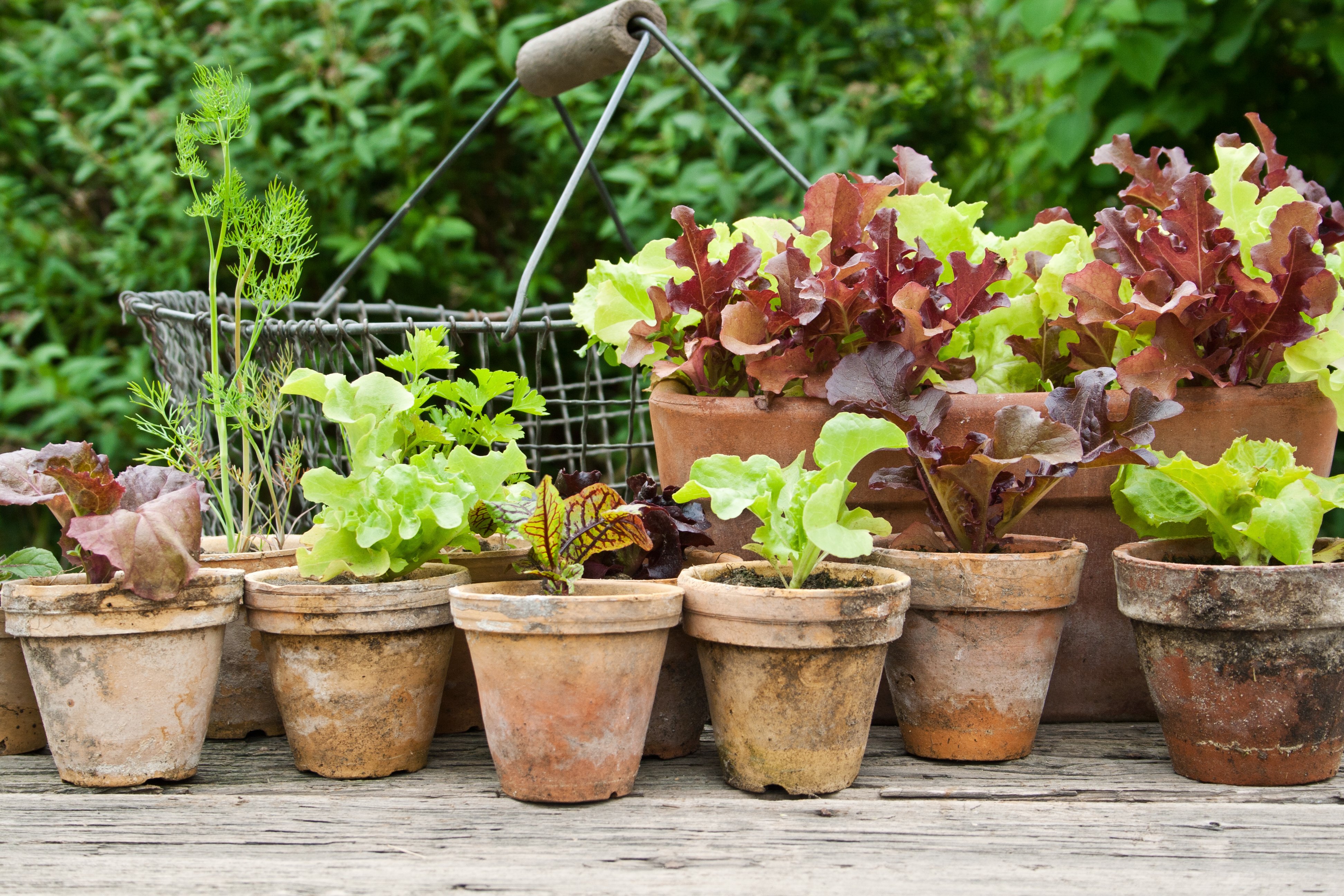
There are iii Steps to Easily Growing Vegetables in Pots
Pace i
Showtime, you will desire to determine your last spring frost engagement. The best way to make up one's mind this is by using the USDA Plant Hardiness Zone Map for your naught code.
To plant your vegetables, you will first want to take your pot and place information technology in an area that either gets direct or partial sunlight. Where you place, it depends on which vegetable yous use from the to a higher place list.
You will then fill your pot with your potting soil. Fill it to about 3 inches from the top.
Step 2
Next, you will dig a pigsty based on your vegetable. To run into how deep and how far autonomously you lot should plant your vegetables delight see the list above.
You will and so encompass the base of your plant. The base of operations of your vegetable is where typically a few inches higher up its root ball. If y'all have purchased a vegetable to plant from Amazon or a local garden shop the root brawl will be where the plant meets the "soil mix".
If you are interested in planting several vegetables in one pot then I recommend using my pairings below:
- Beans, Peas, and Carrots
- Eggplant, Peas, and Beans
- Tomatoes, Onions, and Green Onions
- Lettuce, Kohlrabi, and Chard
- Spinach, Chard, and Onions
- Peppers, Onion, and Greenish Onions
Step three
Immediately after planting your vegetable yous volition want to add fertilizer. Utilize it per the instructions on the back of the fertilizer package.
For a fertilizer that volition work on all your vegetables and so I recommend Miracle-Gro All Purpose Plant Fertilizer.
You lot will then water your plant for about ten-xv seconds.
#iii. How do You Intendance for Vegetables in Pots?
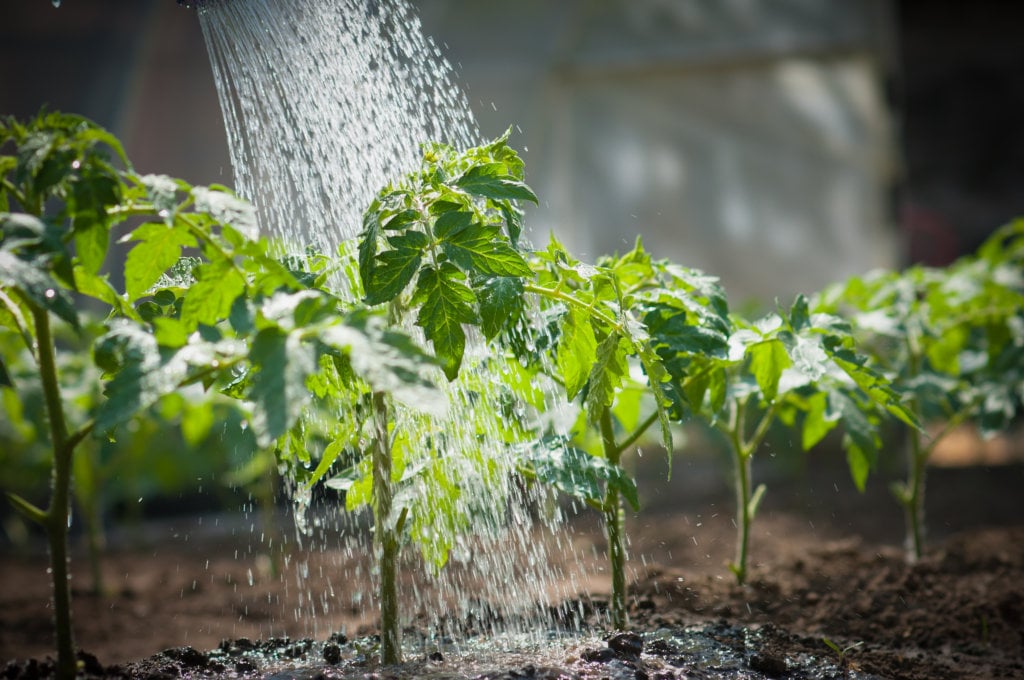
i EASY Step to Caring for Your Vegetables in Pots
If you desire to care for your vegetables in the easiest way possible and so in that location is only one thing you need to do.
Depending on the vegetable y'all institute you volition desire to water your plant ane to ii times a week. Spend about ten-15 seconds watering each vegetable institute.
#four. How do You lot Harvest Vegetables?
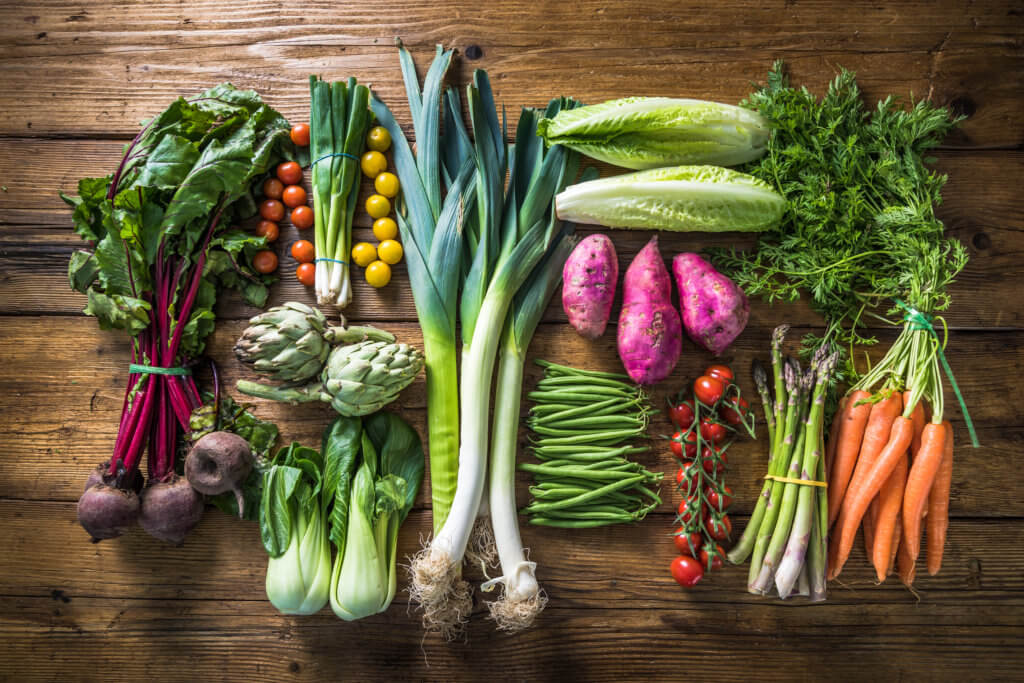
ane EASY Step to Harvesting Your Vegetables
If you thought caring for your vegetables in pots was piece of cake then you lot volition be amazed how easy it is to harvest your vegetables.
All you need to practice is pick your vegetables when it is ready.
Honestly, information technology is okay to pick your harvest a fiddling early on or a little late. And if you are still unsure use my harvest time in the above section and you lot cannot become wrong.
All you have to do to harvest your crop is option your vegetable from where it meets the branch it is growing on. If it is a leafy vegetable just pinch and pull. If it is a vegetable like a pepper or a tomato twist it from where the vegetable meets the branch.
Remember to harvest early and frequently. This will encourage new growth. This will also permit y'all to get a 2d planting in for certain vegetables.
When you are finished harvesting your plant you can pull information technology and compost it. Please review my composting commodity for more data:
Winter Composting (10 PROVEN Tips)
What to Compost: 9 Best Foods to Compost (and x You lot Shouldn't)
#five. What are the Best Uses for Vegetables?
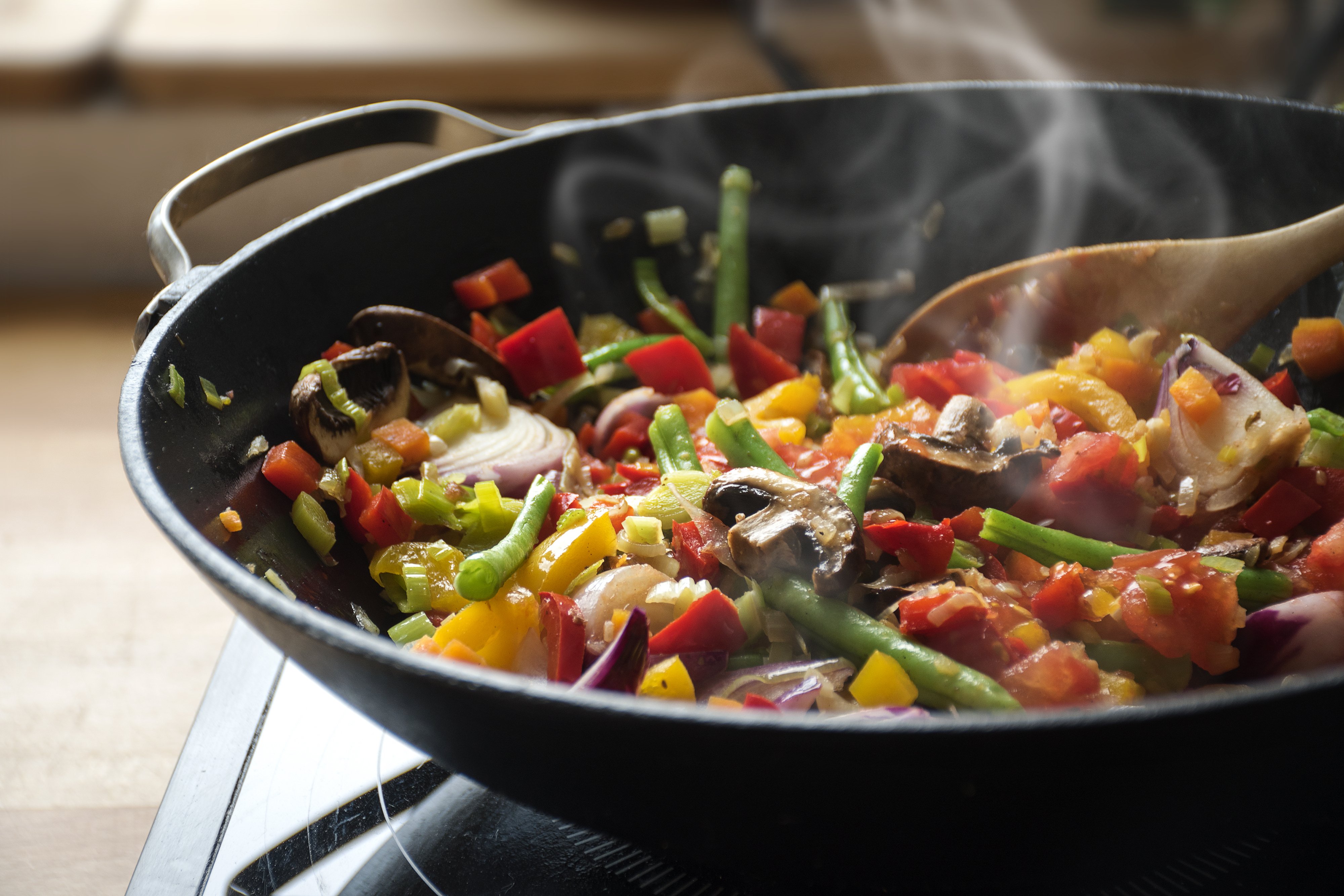
In that location are many uses for vegetables. Regardless of the apply, vegetables are a great wait to add together essential vitamins and nutrients to your diet.
You tin:
- Cook vegetables and eat them by themselves
- Add vegetables as a side dish to entrees
- Consume vegetables raw
- Freeze vegetables and salvage them for later
- Dry vegetables and add together them to flavor dishes
- Apply the seeds of vegetables to grow more vegetables
Conclusion
Every bit you tin tell by now, Growing Vegetables in Pots can be piece of cake and fun!
If yous want to have the greatest chance of success so yous'll want to plant one of the 20 Piece of cake Vegetables to Grow in Pots to a higher place!
Also, there are plenty of herbs and fruits that can exist easily planted in pots.
If y'all want to make the best utilize of your space don't forget to establish two to three kinds of vegetables, herbs, and fruits together.
Regardless of what you found, make sure y'all:
- Purchase the right type of pot for your planting needs
- Purchase the correct tools to make gardening as easy equally possible
- Constitute using my piece of cake to follow instructions. Digging the appropriate size hole, fertilizing, and watering during planting is essential!
- The only constitute care tip you need to take advantage of is watering 1 to 2 times a week
- Remember to harvest early on and often to help promote new vegetable growth and to extend your harvest
If you lot thought this article was helpful, I highly recommend reading my favorite commodity:
101 Gardening Tips that Actually Work
Source: https://thegardeningdad.com/20-easy-vegetables-to-grow-in-pots-for-beginners/
0 Response to "5 Easy Plants to Grow in Containers"
إرسال تعليق